Farmers · No. 05 of 10
Ninety Five Percent: The Families Behind Every Indonesian Cup
3 min read
Here is the most important thing about Indonesian coffee, and the thing you hear about least.
More than 90% of it is grown by smallholder farmers, usually on family plots of about a hectare or less. Not estates. Not corporate plantations. Families.
It wasn’t always like this. Coffee in the colonial era was plantation coffee, grown under a forced system for Dutch export. In the decades after independence it went back to the people who had always done the work. Today somewhere between one and two million smallholder households across the islands depend on coffee to live.
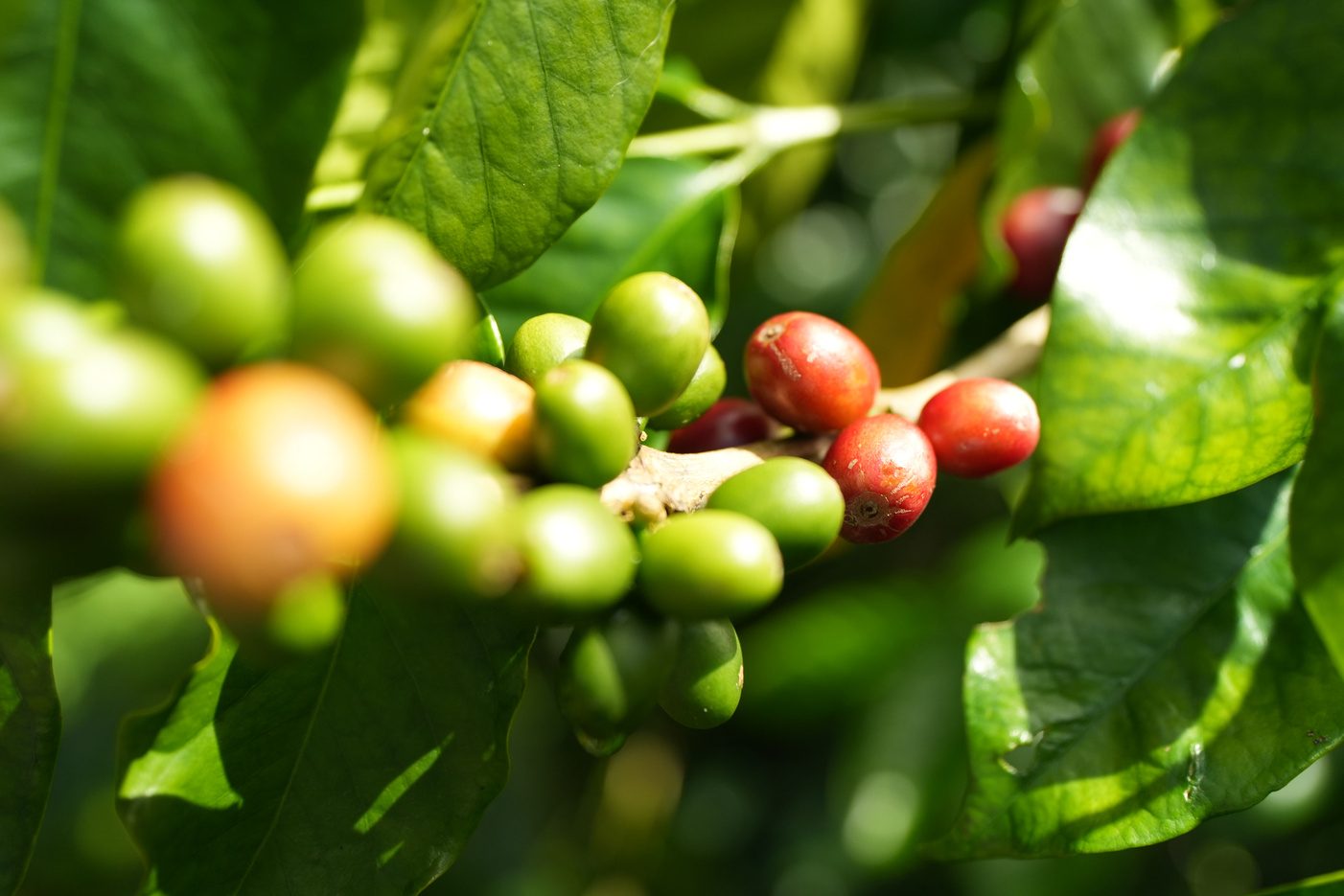
Walk through a coffee village in the Gayo Highlands and you can see what that means. Coffee grows in mixed gardens under shade trees, next to avocado, chilli and citrus. Picking is done by hand, by family and neighbours, choosing ripe cherries one at a time, because on a plot that size every kilo counts. Decisions about processing get made at the kitchen table. Knowledge passes from parent to child and gets adjusted season by season.
The strengths of this are real. Picking by hand on a small plot allows a level of care that machines on big estates can’t match. Shade grown mixed gardens support wildlife in a way that a monoculture never will. And in places like Gayo, home to some of the largest Fairtrade and organic certified cooperatives in the world, farmers have organised into groups that handle processing, quality control and export, which keeps more of the value in the highlands.
“This is where buying decisions stop being romantic and start being practical.”
The problems are real too, and we won’t pretend otherwise. Smallholders are exposed to swings in price, to a changing climate, and to young people weighing up coffee farming against wages in the city. The gap between what a cup costs in London and what gets back to a family in Aceh is still one of the uncomfortable facts of this industry.
This is where buying decisions stop being romantic and start being practical. When we buy from specific cooperatives and estates, in Gayo, in Temanggung, at Nola Wonga on Flores, traceability isn’t a box on a certificate. It’s how quality gets rewarded, how relationships build up over seasons, and how the premium your guests pay actually travels back up the chain.
Every bag of BRUUK coffee carries the name of a region, because behind every region there are names. Families, cooperatives, farmers whose grandparents grew coffee on the same slopes. The least this industry can do is say where the coffee comes from. The most it can do is make that answer something to be proud of.
We’re working on the second part.
BRUUK sources traceable, single origin Indonesian coffee and tells the story with every serve. Follow the series for our look at Indonesia’s arabica and robusta next week.
- #CoffeeFarmers
- #Smallholders
- #EthicalSourcing
- #Traceability
- #IndonesianCoffee
- #Gayo
- #BRUUK