History · No. 01 of 10
From Java to the World: The 300 Years of History in Your Coffee Cup
3 min read
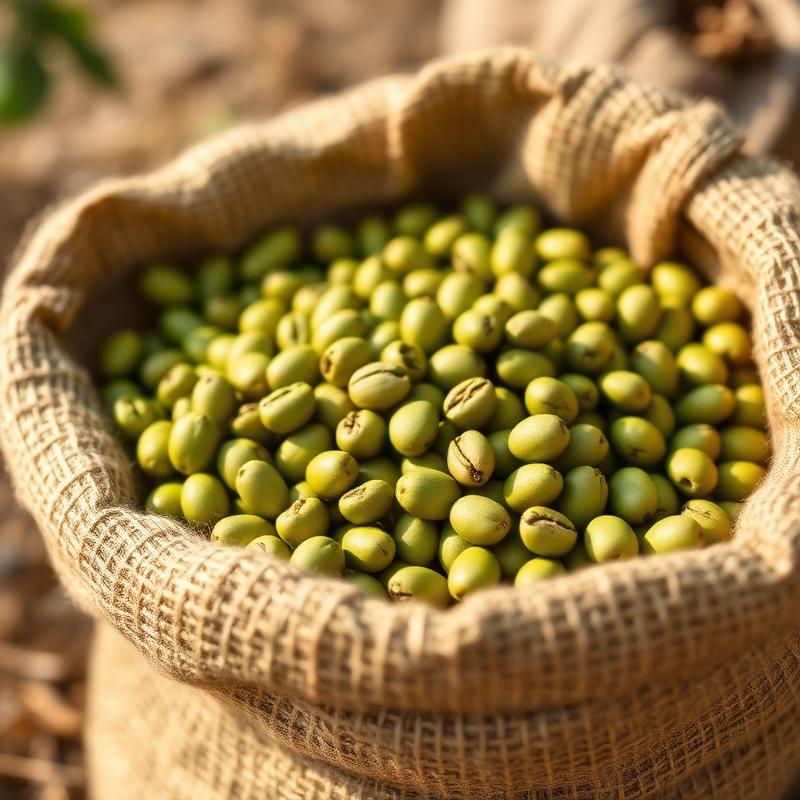
Ask someone if they want a cup of Java and they probably won’t think of an island. But that is exactly where the word comes from. For more than a century, one Indonesian island was coffee for most of the world.
In the late 1600s the Dutch East India Company took coffee seedlings out of Yemen, breaking a monopoly the Arab world had guarded closely, and planted them in the volcanic highlands of Java. It worked better than anyone expected. By the early 1700s Java was shipping coffee to Europe at scale. By the middle of that century Indonesian coffee led the global trade, and the price of coffee in Amsterdam was set by whatever left the harbour at Batavia.
It was not a gentle story. Under the Dutch Cultivation System, Javanese farmers were forced to grow coffee for export. Multatuli wrote about it in his 1860 novel Max Havelaar, a book so widely read that it later gave its name to the world’s first fair trade label. You can’t separate the history of Indonesian coffee from the question of who made money out of it and who didn’t. We would rather say that plainly than leave it out.
Then things fell apart. In the 1870s and 1880s a fungus called coffee leaf rust moved through Southeast Asia and killed most of Indonesia’s arabica. What happened next shaped the country’s coffee for good. Robusta, a tougher plant, arrived around 1900 and spread across the lowlands. Arabica moved uphill, into the places where it still grows best today: the Gayo Highlands in Aceh, the volcanic slopes of Java, the plateaus of Flores and Sulawesi.
“You can’t separate the history of Indonesian coffee from the question of who made money out of it and who didn’t.”
Independence in 1945 changed things again. The plantations were nationalised, and over time coffee went back to families. Today more than 90% of Indonesian coffee is grown by smallholders, usually on plots of a hectare or less. Indonesia is the fourth largest coffee producer in the world. It is also one of the least understood origins on a European shelf.
That gap is why we started BRUUK. We are a small team in London, founded and led by members of the Indonesian diaspora, and we buy only from Indonesia. Over the next few weeks we want to tell this origin story properly: the regions, the farmers, the way the coffee is made, and the ritual we grew up with.
Three hundred years ago the world learned to drink coffee from Indonesia. We think it’s time it remembered.
BRUUK sources single origin coffee from Sumatra, Java and Flores, and supplies hospitality and workspace partners across the UK. Follow us to read the series.
- #IndonesianCoffee
- #SpecialtyCoffee
- #CoffeeHistory
- #BRUUK
- #HospitalityUK